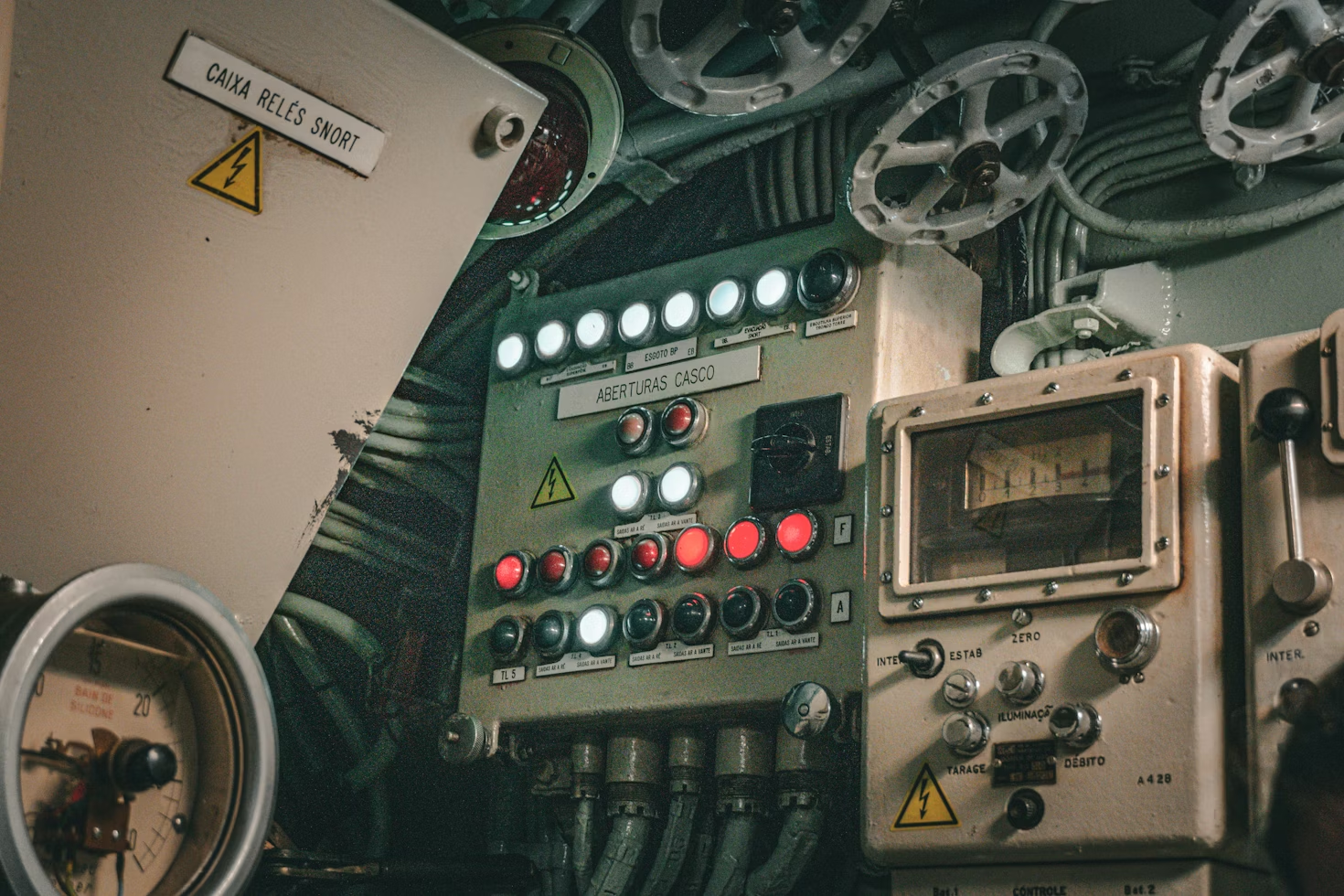
Industrial machinery depends on reliable motor drives to maintain consistent production, control processes and minimise operational interruptions. However, as electrical equipment ages, manufacturers increasingly face challenges with obsolete components, limited spare parts and unexpected drive failures.
Replacing an entire machine or motor system is not always necessary. In many situations, drive retrofit services offer a practical way to modernise existing AC and DC drive systems, improve reliability and extend the useful life of industrial equipment.
For manufacturers operating ageing machinery, a well-planned drive retrofit can help reduce downtime risks while making better use of existing infrastructure.
The core engineering objective: Targeted drive retrofitting modernises the drive power electronics and digital control layer while preserving suitable motors, power feeds, mechanical mountings, and plant infrastructure—minimising capital expenditure and condensing plant downtime.
What Are Drive Retrofit Services?
Drive retrofit services involve upgrading or replacing ageing industrial drive components with modern alternatives while retaining suitable parts of the existing installation.
Industrial drives regulate motor speed, torque and operation. Over time, older drive systems can become difficult to maintain because manufacturers discontinue products, spare parts become harder to source and technical support becomes limited.
A retrofit assesses the existing installation and identifies which components need upgrading or replacement. Depending on the application, this may involve:
- Replacing obsolete AC or DC drives: Migrating legacy variable speed drives (VFDs) and thyristor converters to current generation platforms from leading manufacturers such as ABB drives upgrades and retrofits or Danfoss DrivePro retrofit solutions.
- Upgrading drive control systems: Enhancing digital communications, fieldbus interfaces (Profinet, EtherNet/IP, Modbus TCP), and programmable control functions.
- Retaining suitable existing motors and mechanical equipment: Protecting capital investments by keeping high-integrity AC induction motors, DC motors, gearboxes, and line shafts in service.
- Adapting electrical connections and control interfaces: Re-engineering enclosure wiring, harmonic filtering, braking resistors, and thermal protection circuits.
- Integrating modern drive technology with existing machinery: Ensuring seamless handshakes with supervisory control systems, PLCs, and safety circuits.
- Testing and commissioning the upgraded installation: Verifying motor parameters, tuning speed/torque loops, and completing structured functional safety checks.
The objective is to improve equipment reliability without undertaking unnecessary replacement work.
Why Do Industrial Drives Need Retrofitting?
Industrial drive systems are often expected to operate for many years. However, the availability of replacement components and manufacturer support does not always match the working life of the machinery.
1. Obsolete Drive Components
Older drive models eventually reach the end of their manufacturing lifecycle. When this happens, sourcing replacement components and obtaining technical support can become increasingly difficult. If a critical drive fails and the required parts are unavailable, production could experience extended downtime.
Retrofitting provides an opportunity to replace unsupported technology before it becomes a major operational problem.
2. Increasing Maintenance Requirements
Ageing drives can develop electrical and electronic faults that require more frequent maintenance. Repeated component failures, DC bus capacitor degradation, overheating, unstable operation and inconsistent performance may indicate that the existing drive needs attention.
A condition assessment can help determine whether repairing individual components or undertaking a more comprehensive retrofit is the appropriate solution.
3. Unexpected Production Downtime
A failed industrial drive can interrupt an entire production process, particularly when it controls essential machinery such as extruders, mixers, pumps, conveyors, or web handling lines. Unplanned downtime can result in lost production, additional maintenance costs and disruption to delivery schedules.
Planning a retrofit during scheduled maintenance or a planned shutdown can help avoid the pressure of replacing equipment after an unexpected breakdown.
4. Limited Access to Spare Parts
As drive technology develops, older models are gradually discontinued. Manufacturers may find themselves relying on limited remaining stock, refurbished components or secondary market parts that are not always reliable or readily available.
Moving to a supported drive platform can make future maintenance and replacement planning far more manageable.
5. Opportunities to Improve Performance & Energy Efficiency
Modern drive technology offers improved control capabilities and opportunities to optimise motor operation. Depending on the application, an appropriately selected variable speed drive can help match motor output to actual process requirements.
This can support improved operational efficiency and reduced power consumption, aligning with efficiency guidelines outlined in the UK Energy Technology List for motors and drives. The potential benefits depend on the motor type, driven equipment, load profile and operating conditions.
What Are the Benefits of Industrial Drive Retrofitting?
- Extended Equipment Life: Retrofitting allows manufacturers to retain suitable existing machinery while modernising the drive components responsible for controlling its operation. This can extend the useful life of an installation without requiring complete equipment replacement.
- Reduced Downtime Risks: Replacing unsupported or unreliable drive components before failure helps manufacturers plan engineering work around production requirements. A planned upgrade can be easier to manage than an emergency replacement following a breakdown.
- Better Maintenance Planning: Modernising obsolete equipment can improve access to supported components and make future maintenance activities easier to plan. It also gives engineering teams an opportunity to review the overall condition of the installation.
- Improved Motor Control: Modern AC and DC drive solutions can provide improved control functionality, tighter torque regulation, and better alignment with application requirements. The correct solution depends on the existing motor, load characteristics, process demands and electrical infrastructure.
- More Effective Use of Existing Infrastructure: A retrofit may allow suitable existing motors, enclosures, cabling and mechanical equipment to remain in service. This can reduce the scope of work compared with replacing an entire installation, although compatibility must always be assessed.
Drive Retrofit vs Complete Drive Replacement: Which Is Better?
Retrofitting and complete replacement are two different approaches to managing ageing industrial drives. The right choice depends on the equipment's condition, availability of components, application requirements and long-term maintenance considerations.
| Consideration | Drive Retrofit | Complete Replacement |
|---|---|---|
| Existing Infrastructure | Suitable components may be retained | More components may need replacing |
| Installation Work | Can be less extensive | May require wider modifications |
| Downtime | Can be planned around shutdowns | Depends on installation complexity |
| Compatibility | Requires detailed assessment | Requires system integration |
| Best Suited For | Suitable existing installations needing modernisation | Systems requiring extensive renewal |
A retrofit is not automatically the better option. If the motor, electrical infrastructure or wider machinery is unsuitable, complete replacement may provide better long-term value. An engineering assessment should establish the most appropriate approach before work begins.
How Does the Drive Retrofit Process Work?
A structured, multi-phase delivery approach ensures minimal production disruption and trouble-free commissioning:
1. Existing Drive Assessment
The first step is to evaluate the existing drive installation. This includes reviewing the drive model, age, operating condition, motor specifications, control arrangements and availability of replacement components.
2. Application and Compatibility Review
Engineers assess the motor characteristics, load requirements, electrical supply, control interfaces and operating conditions. This helps identify a suitable replacement or retrofit solution while considering the wider installation.
3. Retrofit Planning
Once the requirements are understood, an upgrade plan can be developed. This should consider installation requirements, electrical modifications, control integration, commissioning activities and the most appropriate time to carry out the work.
4. Installation and Integration
The selected drive equipment is installed and integrated with the existing electrical and control systems. Where possible, suitable existing infrastructure can be retained to minimise unnecessary modifications.
5. Testing and Commissioning
Following installation, the upgraded system must be tested to verify correct operation. This includes checking electrical connections, control signals, motor operation, drive parameters and relevant safety functions before returning the equipment to service.
Why Choose Smart Flow Engineering for Drive Retrofit Services?
Managing ageing industrial equipment requires an engineering approach that considers reliability, maintenance requirements and the operational needs of the facility.
Smart Flow Engineering supports UK manufacturers with industrial drive assessment, retrofit, replacement and commissioning services.
Our approach focuses on understanding existing installations and identifying practical engineering solutions to help address equipment obsolescence and reduce downtime risks.
Our Industrial Drives & Motion capabilities include:
- Industrial drive condition and reliability assessments.
- AC and DC drive retrofits.
- Obsolete drive replacement.
- Drive modernisation and integration.
- Electrical and control system support.
- Testing and commissioning.
Whether you are dealing with an ageing drive, discontinued components or recurring equipment problems, our team can help assess the installation and identify an appropriate way forward.
Explore our dedicated Industrial Drives & Motion services to learn more about our engineering capabilities.
Plan Your Industrial Drive Upgrade Before Failure Occurs
Waiting until an industrial drive fails can leave manufacturers facing unnecessary production disruption and urgent replacement decisions.
A proactive approach to drive assessment and modernisation helps identify potential issues, review component availability and plan upgrades around operational requirements.
If your facility is operating ageing AC or DC drives, now is the time to review their condition and long-term supportability. Contact Smart Flow Engineering today to discuss your industrial drive requirements and explore practical retrofit solutions.
Frequently Asked Questions (FAQs)
1. What are drive retrofit services?
Drive retrofit services involve upgrading or replacing ageing industrial drive components with modern alternatives while retaining suitable parts of the existing installation. They help address equipment obsolescence, improve reliability and support continued machinery operation.
2. When should an industrial drive be retrofitted?
A drive should be assessed for retrofitting when it becomes unreliable, spare parts are difficult to source, manufacturer support is limited or maintenance requirements increase. Planning an upgrade before a major failure can help reduce unexpected downtime.
3. Can old AC and DC drives be retrofitted?
Yes. Many existing AC and DC drive installations can be assessed for retrofit or replacement options. However, feasibility depends on the drive model, motor specifications, application requirements and compatibility with the existing electrical and control systems.
4. Does drive retrofitting require replacing the motor?
Not necessarily. In suitable applications, the existing motor can remain in service while the drive is upgraded. However, motor condition, electrical characteristics and compatibility with the replacement drive must be assessed first.
5. Is drive retrofitting cheaper than complete replacement?
Retrofitting can reduce project costs when suitable existing equipment and infrastructure can be retained. However, the overall cost depends on the condition of the installation, engineering requirements, replacement components and commissioning work.
6. How long does an industrial drive retrofit take?
The duration depends on the drive type, power rating, installation complexity, control integration and testing requirements. A site assessment is generally needed to establish a realistic project schedule.
7. Can drive retrofitting reduce industrial downtime?
It can help reduce downtime risks by allowing manufacturers to address obsolete or unreliable equipment before it fails. Planning installation and commissioning around scheduled shutdowns can also minimise disruption to production.
8. Who provides industrial drive retrofit services in the UK?
Smart Flow Engineering provides industrial drive assessment, AC and DC drive retrofit, replacement, integration and commissioning support for UK manufacturers. Visit smartfloweng.com or call +44 1234 440 530 to discuss your requirements.
Engineering note: This article provides general engineering guidance. Specific drive applications, motor ratings, and harmonic mitigation requirements require tailored engineering inspection and adherence to relevant UK electrical wiring regulations (BS 7671) and machinery safety standards.